About Me

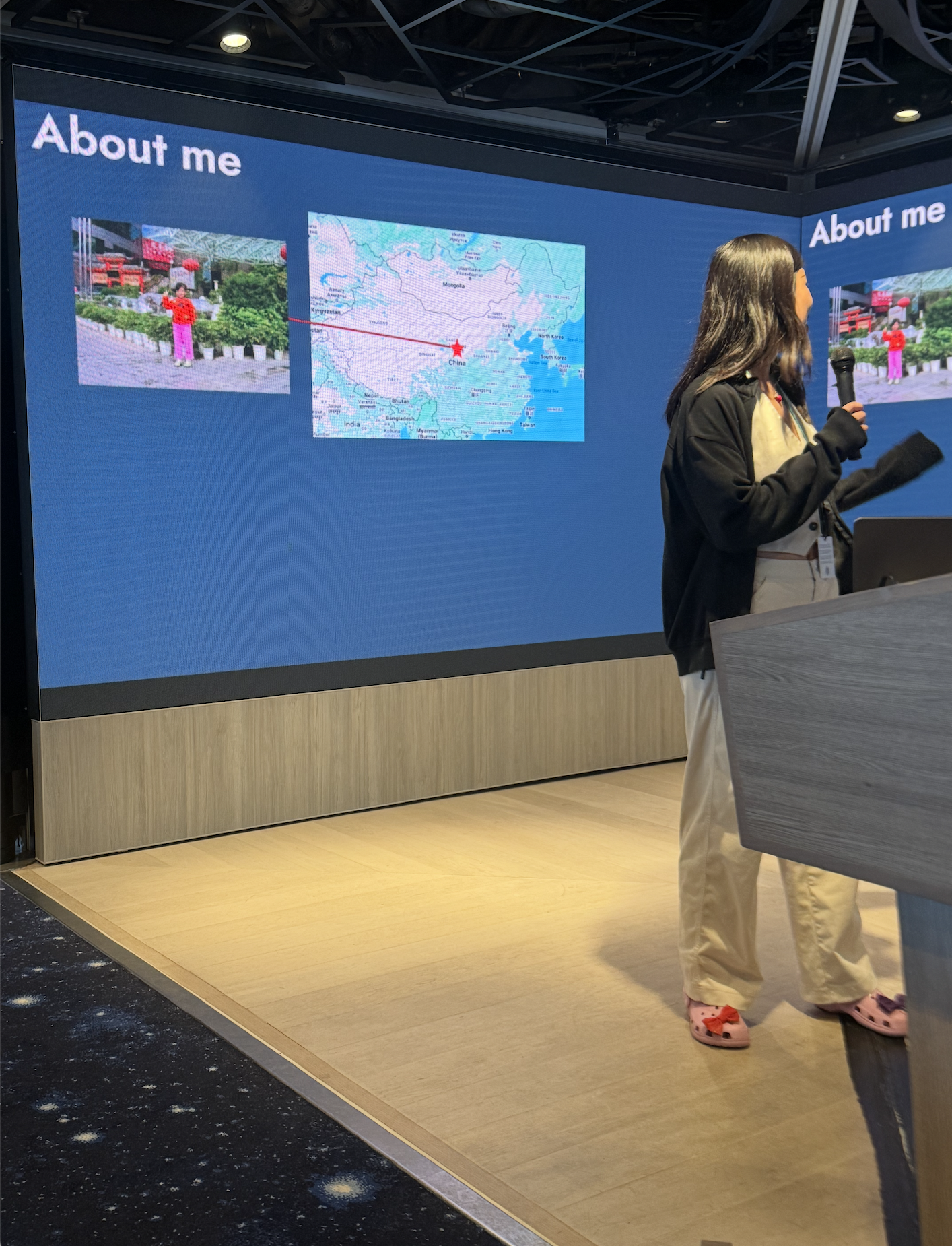
My name is Yingxiao Zhang (张樱潇). I am currently an Advanced Study Program (ASP) postdoctoral fellow at the National Center for Atmospheric Research (NCAR). I earned my PhD from the University of Michigan, with the support from the NASA Future Investigators in NASA Earth and Space Science and Technology (NASA FINESST) Fellowship.

Research Interests:

Bisophere-atmosphere Interaction

Aerosol-cloud Interaction

Climate modeling

Research

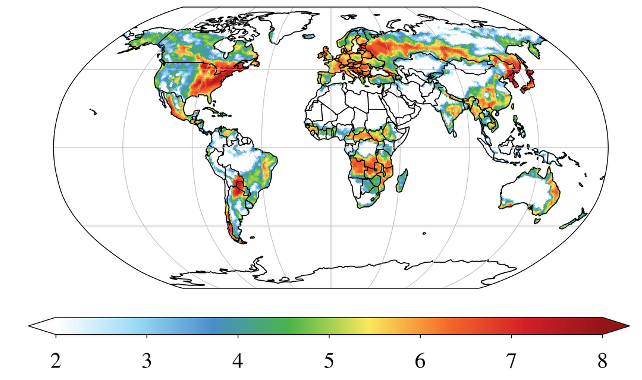
Simulated global Deciduous Broadleaf Foreast pollen emission potential using CESM 3 (log grains/m2/year)

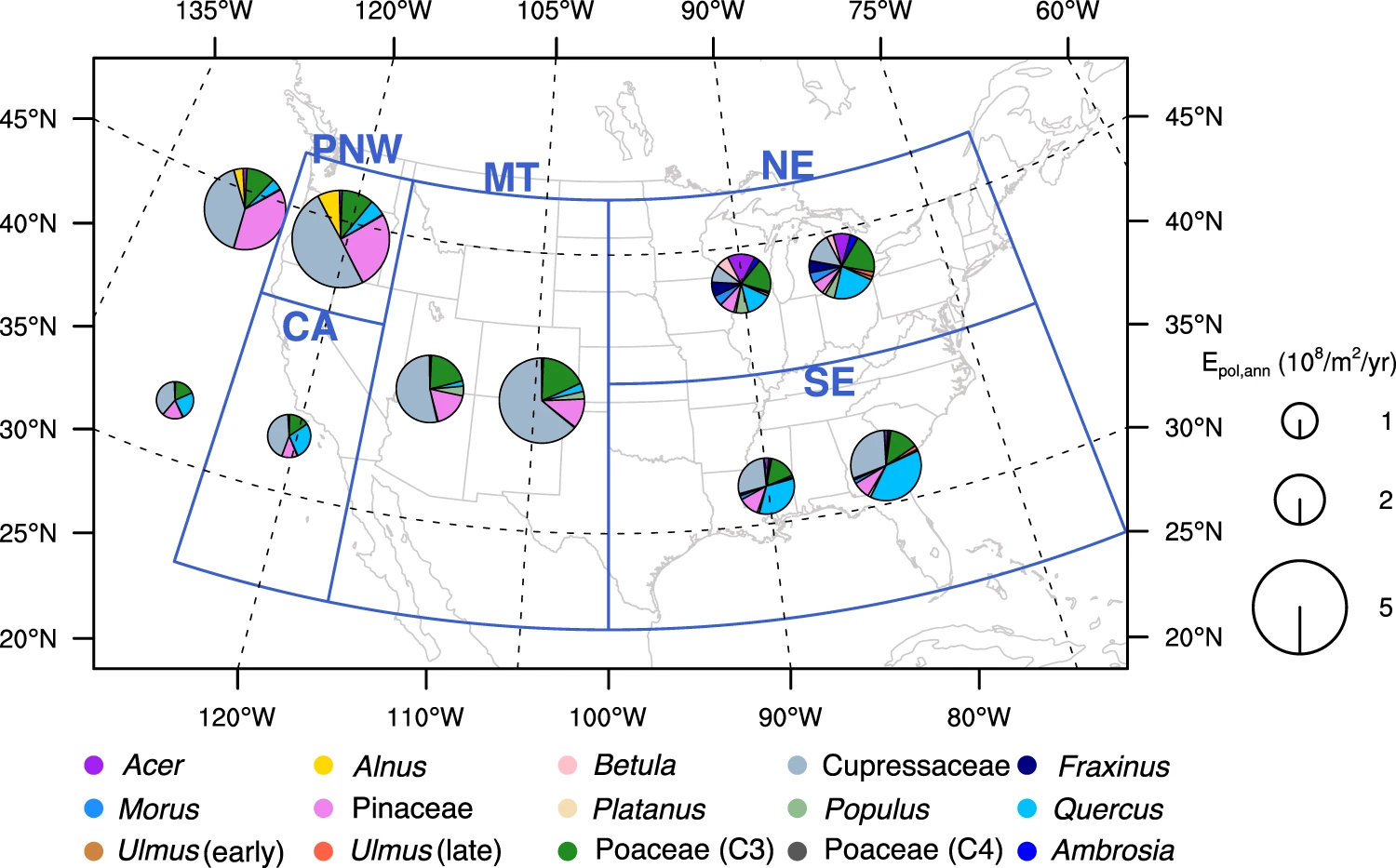
Simulated pollen emission change with climate change over the United States (1e8 grains/m2/year)

Global an regional pollen modeling

Pollen is included in CESM3 simulation. Pollen emission is implemented into the land model component, namely the Community Terrestrial System Model (CTSM). CTSM has a sophisticated ecosystem model representing interactions between land-surface conditions and vegetation dynamics, representing vegetation by either the default “big leaf” model or the Functionally Assembled Terrestrial Ecosystem Simulator (FATES; Massoud et al., 2019). Pollen emissions are then transferred to the Community Atmosphere Model (CAM) for tracer advection and deposition

Manuscript under preparation. Co-first author, Dr. Danny Leung will present this study in AGU 25. Related publications: Zhang & Steiner (2022), Projected climate-driven changes in pollen emission season length and magnitude over the continental United States. Nature Communications (highlighted by Nature). https://www.nature.com/articles/s41467-022-28764-0; This study is highlighted in more than 50 news media, please see "In the News" section


Surface and internal heterogeneity of airborne fungal spores

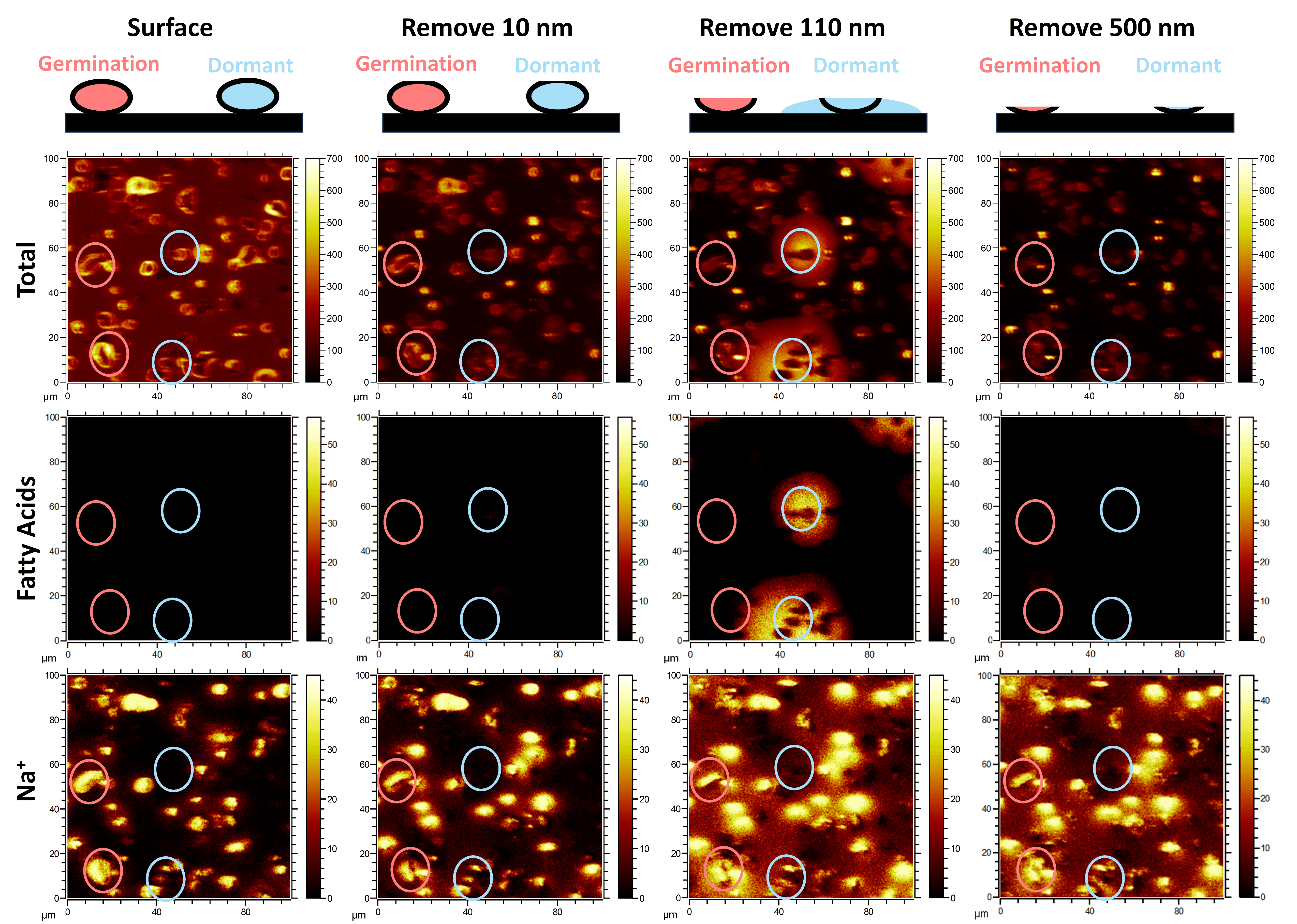
We utilized the Time-of-flight secondary ion mass spectrometry (ToF-SIMS) coupled with the argon (Ar) cluster ion sputtering technique to reveal two distinguished types of fungal spores. Approximately half spores exhibited less solidum at the surface but significant liquid fatty acid's characteristic fragment signals in the cytoplasm. The fragments from this chemotype of fungal spores might be an important but overlooked source of fatty acid aerosols.Conversely, the rest of the fungal spores have a high sodium concentration at the surface and viscous cytoplasm

Submitted manuscript: Zezhen Cheng, Yingxiao Zhang (co-first author) et al., 3D Chemical Imaging reveals surface and internal heterogeneity of airborne fungal spores Nature Geosciences.

Pink and Blue circles show two different types of fungal spores observed


Nature Review Earth & Environment

Climate change impacts on pollen concentration over the globe

With the invitation from the editor team, I am leading a global Nature Reviews Earth & Environment paper synthesizing long-term pollen records across continents, in collaboration with leading international experts. This work integrates observational and modeling evidence to provide the first global perspective on climate–pollen interactions, allergenicity, and public health outcomes.

Manuscript under preparation: Deadline for submittion is mid-November


Geoenginnering impacts on Ecosystem

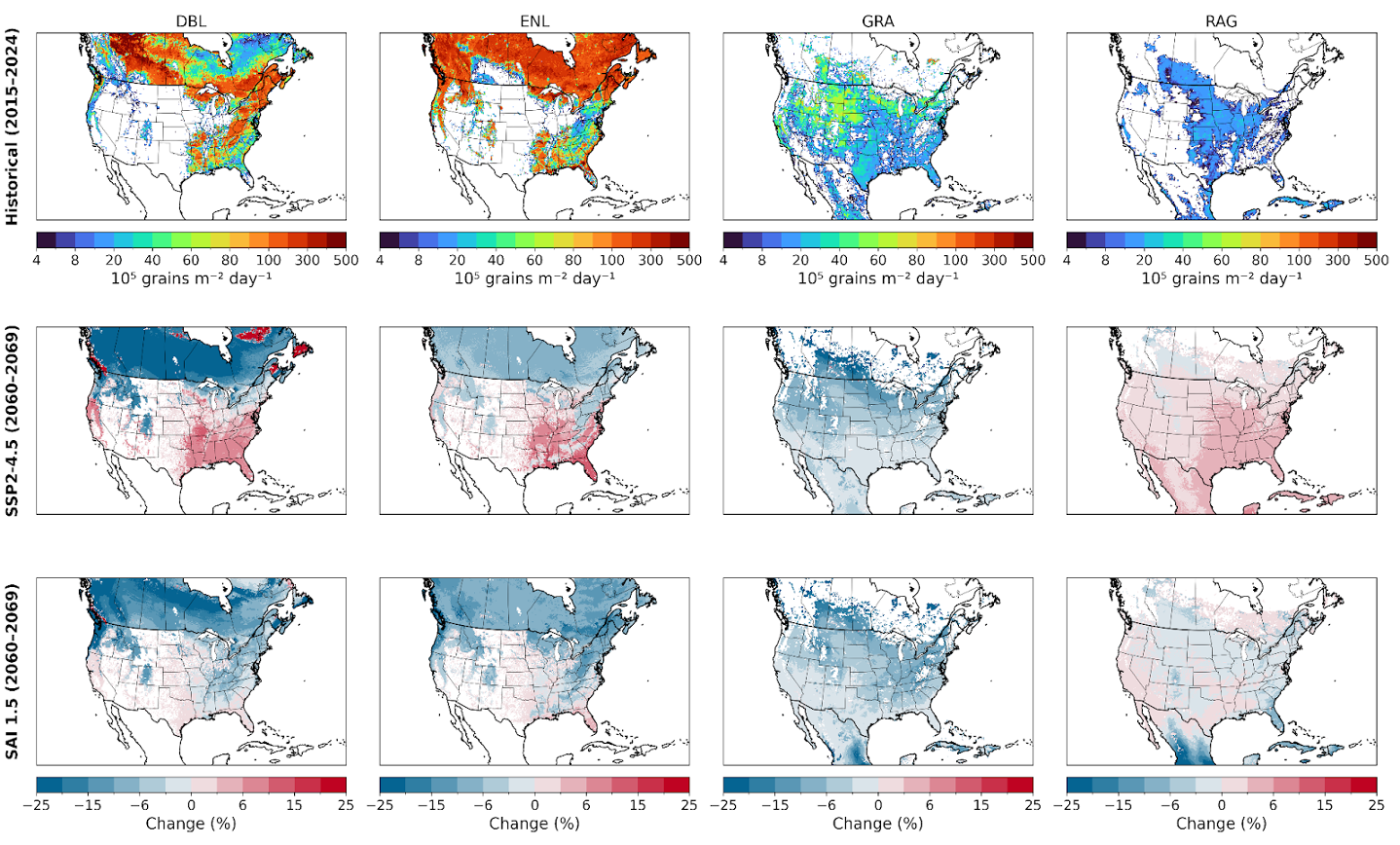
As anthropogenic climate change intensifies, there is growing interest in climate intervention strategies designed to limit global temperature rise, such as solar radiation modification (SRM). While most SRM research has focused on physical climate responses, much less is known about ecological consequences—particularly how SRM might alter pollen emissions and related health outcomes.

Manuscript under preparation: Yingxiao Zhang will present this study in AGU 25.

Compartion of future pollen emission change with SSP245 and Geoengineering


NSF NCAR & HX cruise field campaign in Alaskan subarctic

Uncovering the Link Between Marine Biology and Cloud Formation in High-Latitude Ocean Environments

Plankton are foundational to marine ecosystems, responsible for nearly half of global oxygen production, and can act as important sources of ice-nucleating particles (INPs) in Arctic mixed-phase clouds. We collacted ocean and air samples during three cruises in the Alaskan subarctic to directly link seasonal biological activity to cloud properties, improving representation of biosphere–climate interactions in the rapidly changing Arctic.

Proposal submitted: DoE EMSL Exploratory Grant


Estimating Pollen Concentration Using Remote Sensing and Machine Learning

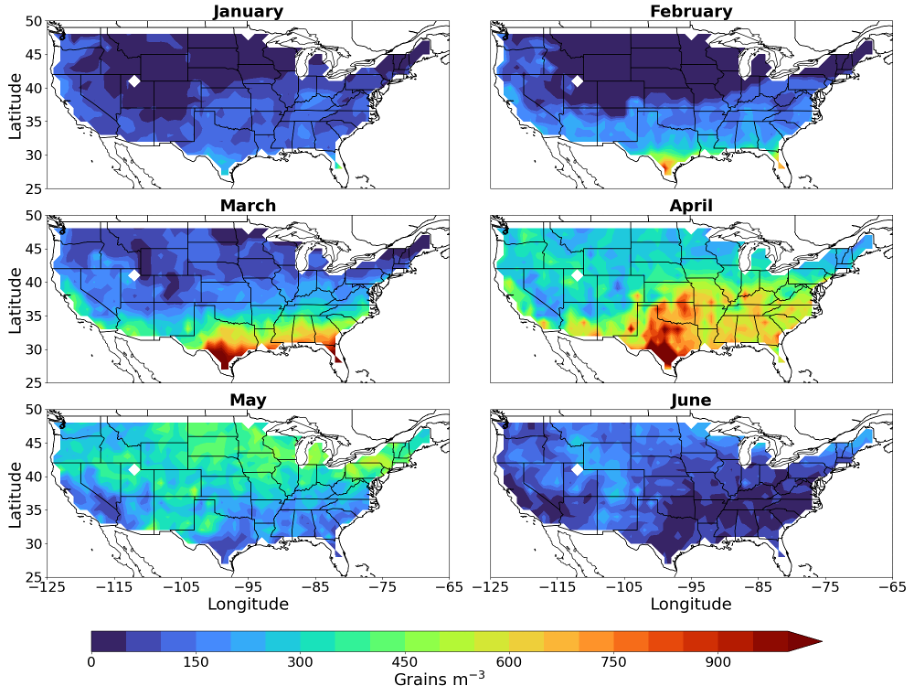
Currently, the understanding of the distribution of pollen in the atmosphere is limited by sparse observational data. To address this gap, we use satellite or ground-based aerosol optical properties to estimate pollen concentration. For one of the projects, we combined CALIPSO observation with machine learning framework to estimate atmospheric pollen concentration and composition across the continental United States.

Manuscript under re-review Zhang, Y., et al., Advancing airborne pollen mapping with integrated ground and satellite observations Remote Sensing of Environment; Manuscript under re-review Steiner, A., Wozniak, M., Zhang, Y. , et al., Lidar-based observations of pollen above a mixed hardwood forest in the United States Journal of Geophysical Research - Atmospheres

An example of the machine learning model estimated pollen concentration (grains m-3) in 2019 for Deciduous Broadleaf Forest (DBL) over the Continental United States (CONUS).


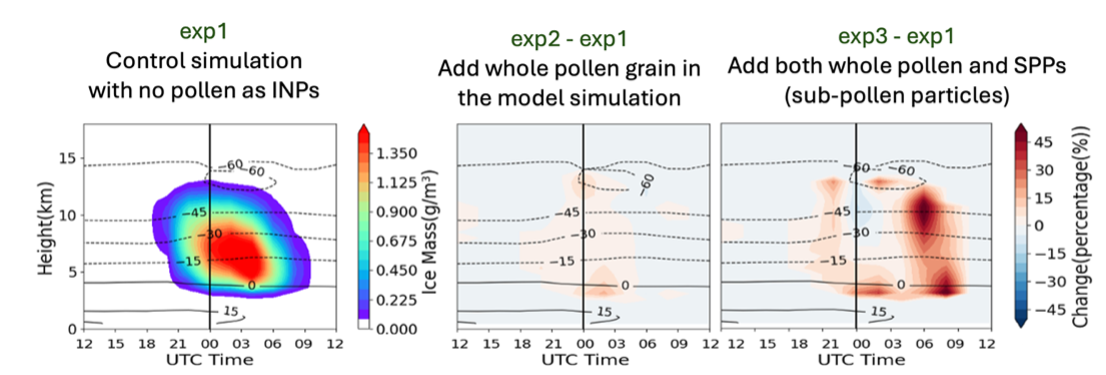
Pollen and sub pollen particles increase the cloud ice content

Pollen Effects on Cloud Microphysics and Precipitation

The emitted pollen grains can rupture under high humidity to form smaller sub-pollen particles (SPPs). Both pollen and SPPs can serve as cloud condensation nuclei (CCN) and ice nucleating particles (INPs). Here, we have integrated pollen emission and rupture processes into WRF-Chem simulations and updated the Morrison microphysics scheme using aerosol-aware INP parameterizations, where the parameterizations for pollen and SPP are based on laboratory experiments (Matthews et al., 2023). We use this model framework to investigate the impacts of pollen and SPP on hydrometeors and precipitation in a convective system.

Related publications: Zhang, Y., Subba, T., Matthews, B., Pettersen, C., Brooks, S., and Steiner, A. (2024). Effects of pollen on hydrometeors and precipitation in a convective system JGR: Atmospheres, 129, e2023JD039891. https://doi.org/10.1029/2023JD039891 Related publications: Subba, T., Zhang, Y., and Steiner, A. (2023).Simulating the Transport and Rupture of Pollen in the Atmosphere Journal of Advances in Modeling Earth Systems. https://doi.org/10.1029/2022MS003329


Publications

Also see Google Scholar

[8] Zhang, Y. , et al. (invited by the Chief Editor) Pollen Emission Responses to Climate Change leading the Nature Review Earth & Environment paper.

[7] Cheng, Z.*, Zhang, Y.* (co-first author), et al. (in review) 3D Chemical Imaging reveals surface and internal heterogeneity of airborne fungal spores Nature Geosciences .

[6] Steiner, A., Wozniak, M., Zhang, Y. , Ault, A., Kort, E., DeCola, P., Lersch, T., Casuccio, G., Reilly, K.,(in re-review) Lidar-based observations of pollen above a mixed hardwood forest in the United States Journal of Geophysical Research - Atmospheres.

[5] Zhang, Y. , Liu, Y., Zhu, K., Yu, H., Tan, Q., and Steiner, A.,(in re-review) Advancing airborne pollen mapping with integrated ground and satellite observations Remote Sensing of Environment..

[4] Dacic, N., Lojko, A., Zhang, Y. , Yang, E., Whitcomb, M., Bassis, J., & Rood, R. B. (2024). Student Interest Drives Modernization of Climate Science Curriculum: Engaging with Community Partners outside the Classroom. Bulletin of the American Meteorological Society,105(12), E2249-E2262.https://journals.ametsoc.org/view/journals/bams/105/12/BAMS-D-23-0007.1.xml

[3] Zhang, Y., Subba, T., Matthews, B., Pettersen, C., Brooks, S., and Steiner, A. (2024). Effects of pollen on hydrometeors and precipitation in a convective system JGR: Atmospheres, 129, e2023JD039891. https://doi.org/10.1029/2023JD039891

[2] Subba, T., Zhang, Y., and Steiner, A. (2023).Simulating the Transport and Rupture of Pollen in the Atmosphere Journal of Advances in Modeling Earth Systems. https://doi.org/10.1029/2022MS003329

[1] Zhang, Y. and Steiner, A. (2022) Projected climate-driven changes in pollen emission season length and magnitude over the continental United States Nature Communications(highlighted by Nature) https://doi.org/10.1038/s41467-022-28764-0

In the news

National expert in “Pollen & Allergy Season” bulletin of Climate Central, April, 2022 .LINK

Interviews that quoted me (selected)

[23] Allergies, meet climate change: April was a pretty bad month. May 2025, Planet Detroit .LINK

[22] Where does your city rank on the list of the U.S. ‘allergy capitals’? March 2025, the Washington Post.LINK

[21] Radio interview with Michigan Public, a statewide NPR site, May 2024, Michigan Public .LINK

[20] Nothing to Sneeze At: Forecasting Allergy Seasons Amid a Changing Climate, April 2024, University of Michigan-Student Spotlight .LINK

[19] Pollen alerts are getting more and more reliable and here's why, May 2023,Atlantico .LINK

[18] Allergy season is getting more intense with climate change – we’re creating better pollen forecasts to help. April 2023, The Conversation. LINK

[17] Allergies kicking in already? Blame it on climate change. March 2023, Bridge Detroit. LINK

[16] Simulating historical and future pollen emissions: An Interview with Yingxiao Zhang. Feb 2023, UM Library Blogs. LINK

[15] Itchy eyes, runny nose? Allergy season will be longer this year due to climate change. June 2022, FOX 47 News. LINK

[14] Climate change makes allergy season longer. June 2022, NJ Spotlight News. LINK

[13] Pollen allergy is trivialized. May 2022, Forum. LINK

[12] Climate change drives longer, more intense pollen seasons. April 2022, MPR’s Climate Cast. LINK

[11] Study Finds Climate Change Is Extending Allergy Season. Mar 2022, Medium. LINK

[10] Pollen season is getting longer and more intense with climate change. March 2022, The Conversation. LINK

[9] Pollen season could be longer, more intense as climate changes, study finds. March 2022, NBC News. LINK

[8] The big sneeze: climate change to make pollen season nastier. March 2022, AP. LINK

[7] Climate change is making pollen season even worse across the country. March 2022, The Washington Post. LINK

[6] Climate change is pumping more pollen into allergy season. March 2022, Popular Science. LINK

[5] Pollen season in the US may start 40 days earlier by end of century. March 2022, New Scientist. LINK

[4] Longer, more intense allergy seasons could result from climate change. March 2022, Michigan News. LINK

[3] Climate change will make spring hell for Northeast allergy sufferers, study says. March 2022, WNYC News. LINK

[2] Climate change impact on allergy season. March 2022, Scripps National News. LINK

[1] Prepare for longer, more intense allergy seasons, University of Michigan researchers say. March 2022, Channel 7/WXYZ. LINK

My research is also highlighted by other media articles including CNN, National Geographic, Bloomberg, the Atlanta Journal-Constitution, and NPR’s All Things Considered.


Outreach


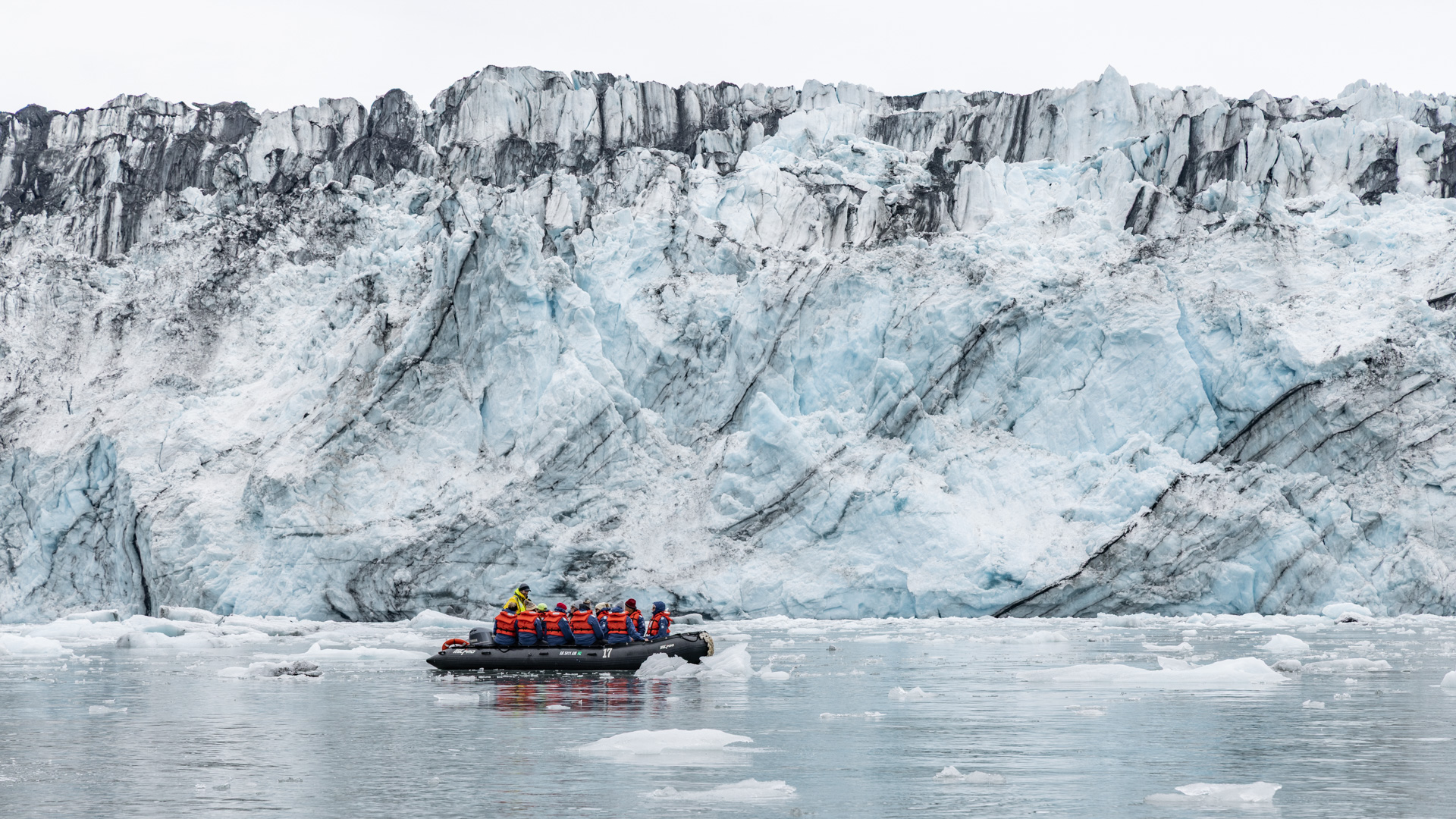
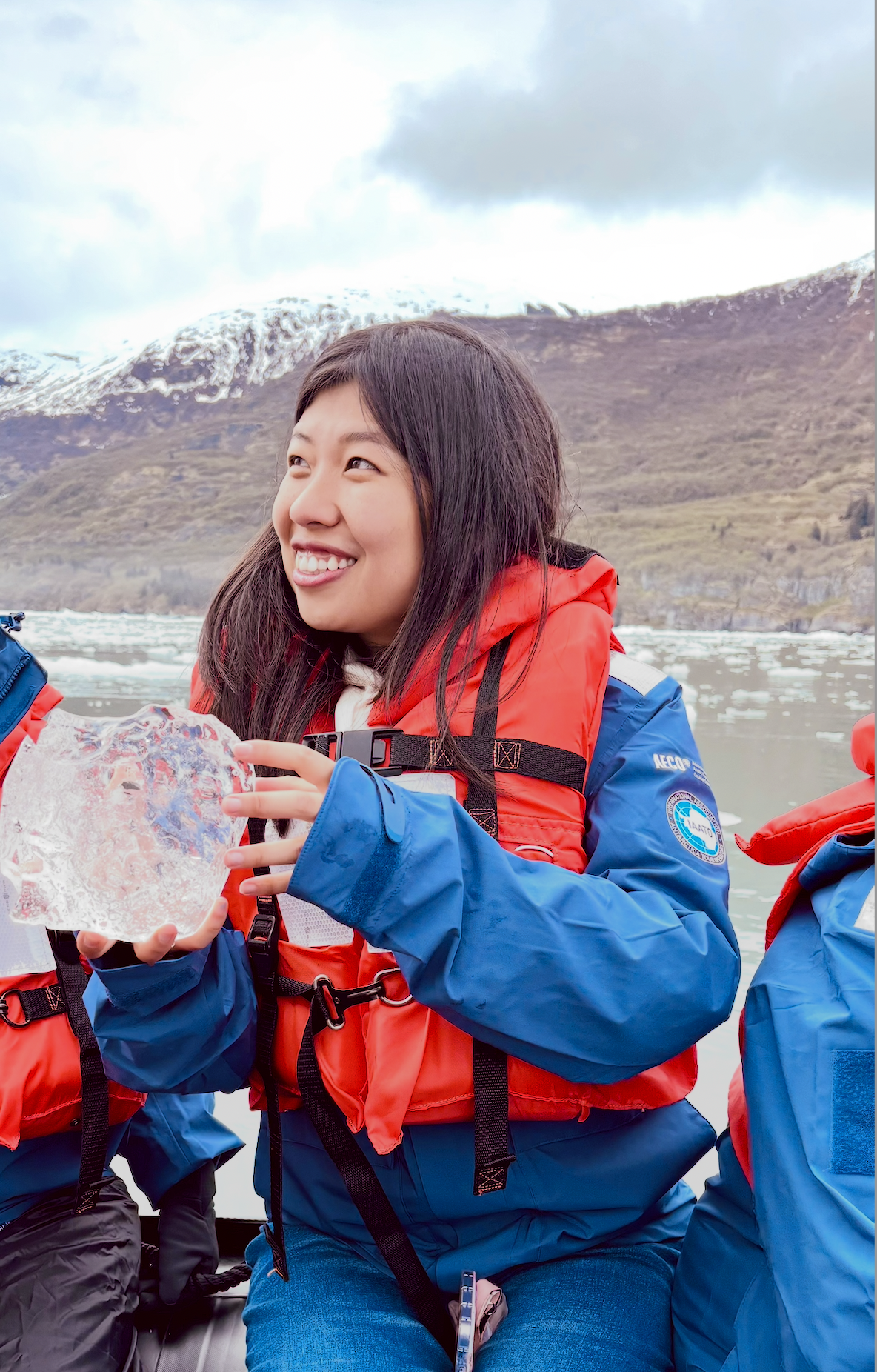
Yingxiao on the science boat from HX cruise to collect samples

Yingxiao giving a lecture to cruise passengers

UCAR partnered with HX Expeditions to bring guest scientists, NSF NCAR researchers aboard three multi-week Alaskan cruises. This unique collaboration blended education and research with a private sector travel company, where the guest scientists and passengers worked together to sample aerosols and plankton to understand seasonal changes in plankton communities and their role in cloud formation.


2024 Openminds NextGen Leader Cohert

Openminds brings together industry, acedemia, and NGOs to solve the challenge in meeting growing energy needs while reducing emissions. As a NextGen leader, I worked with Carbon Capture Inc. to analyze the development strategies and impacts of direct carbon capture


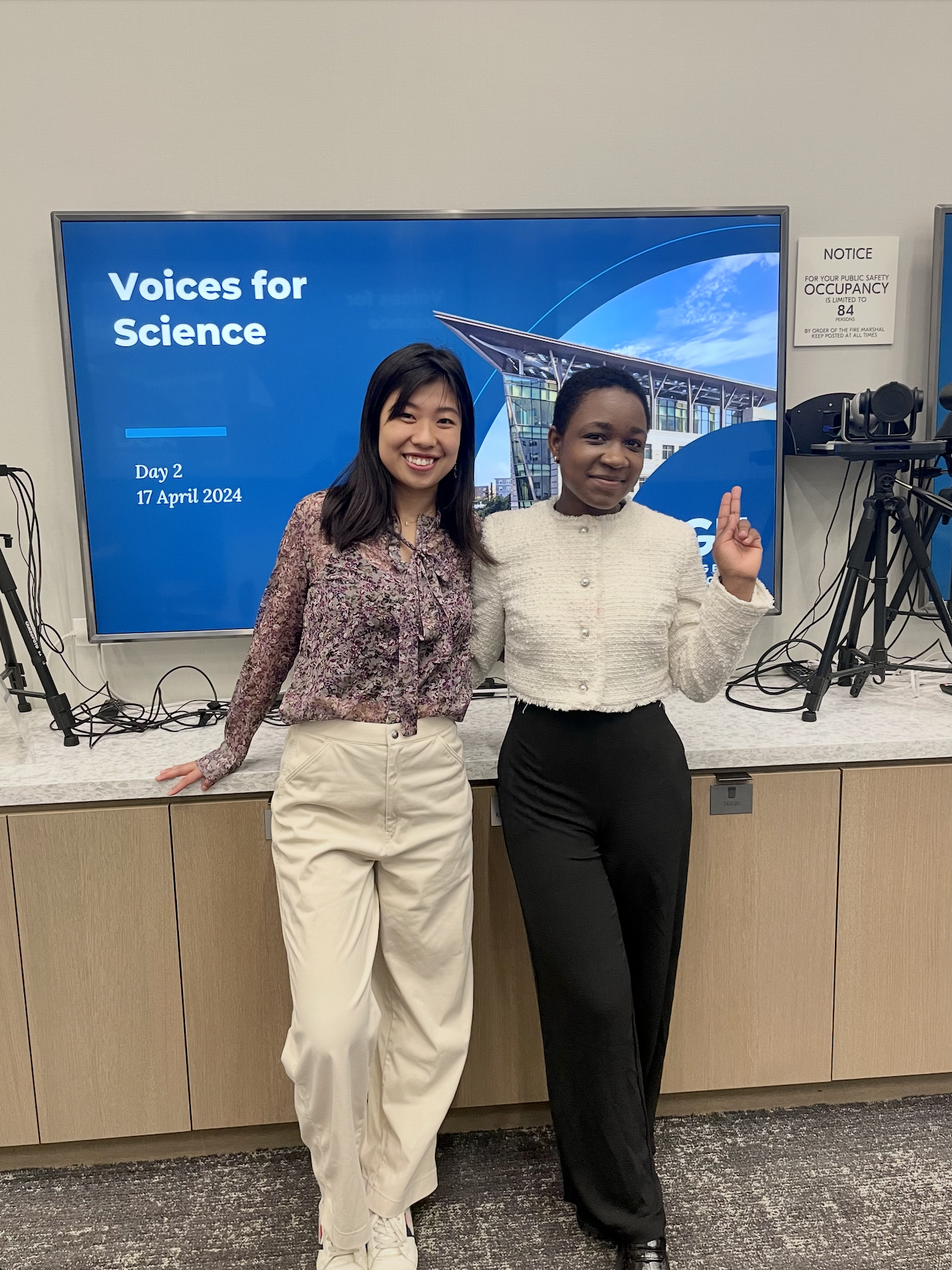
Voices for Scinece Workshop

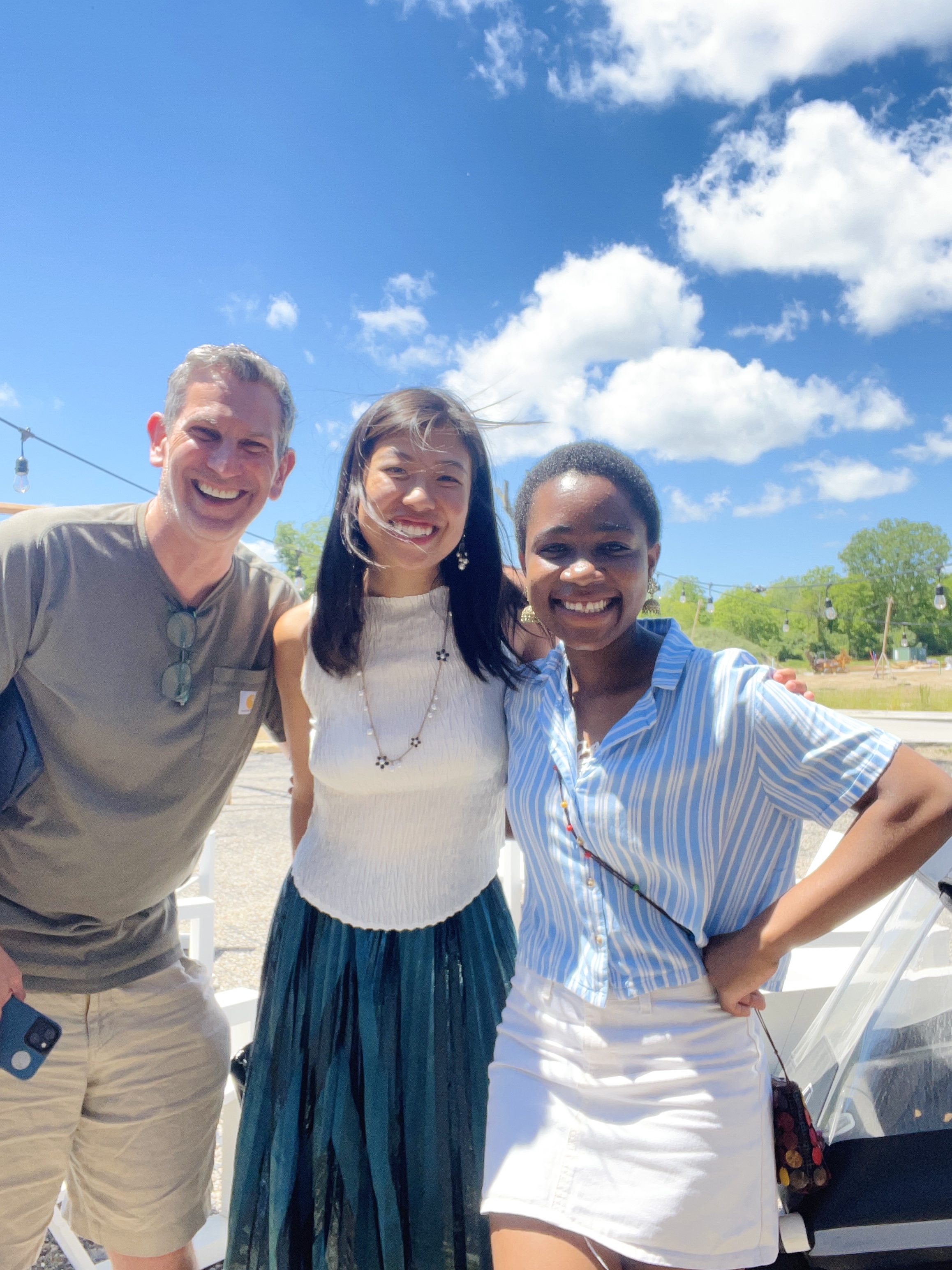
We visited the CEO of the first Net Zero community, Veridian in Michigan

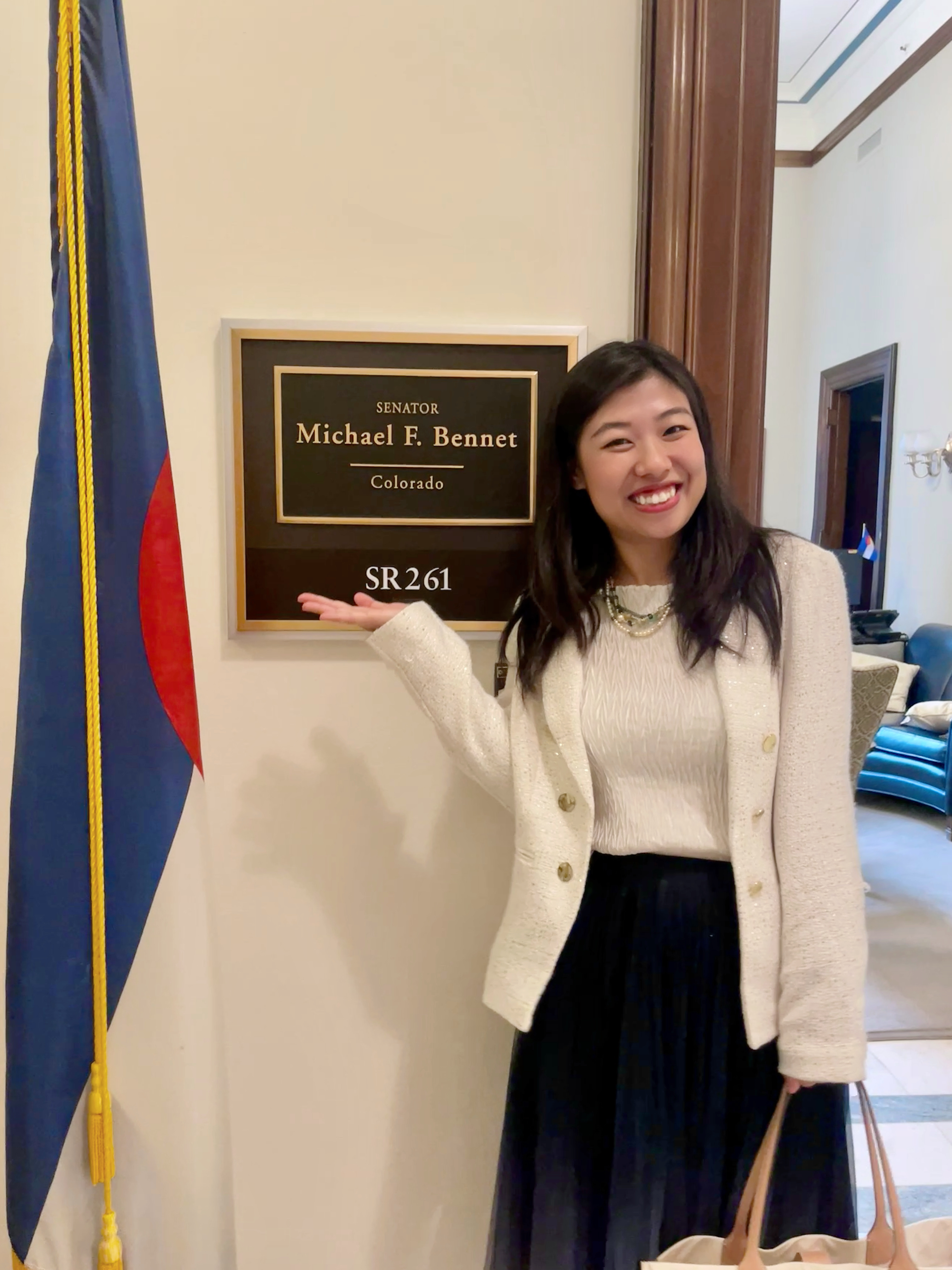
Yingxiao visited Colorado Senator, Michaerl F. Bennet's science officers

As a Voices for Science Fellow with the American Geophysical Union, I am committed to advocating for science and translating scientific knowledge into real-world solutions.


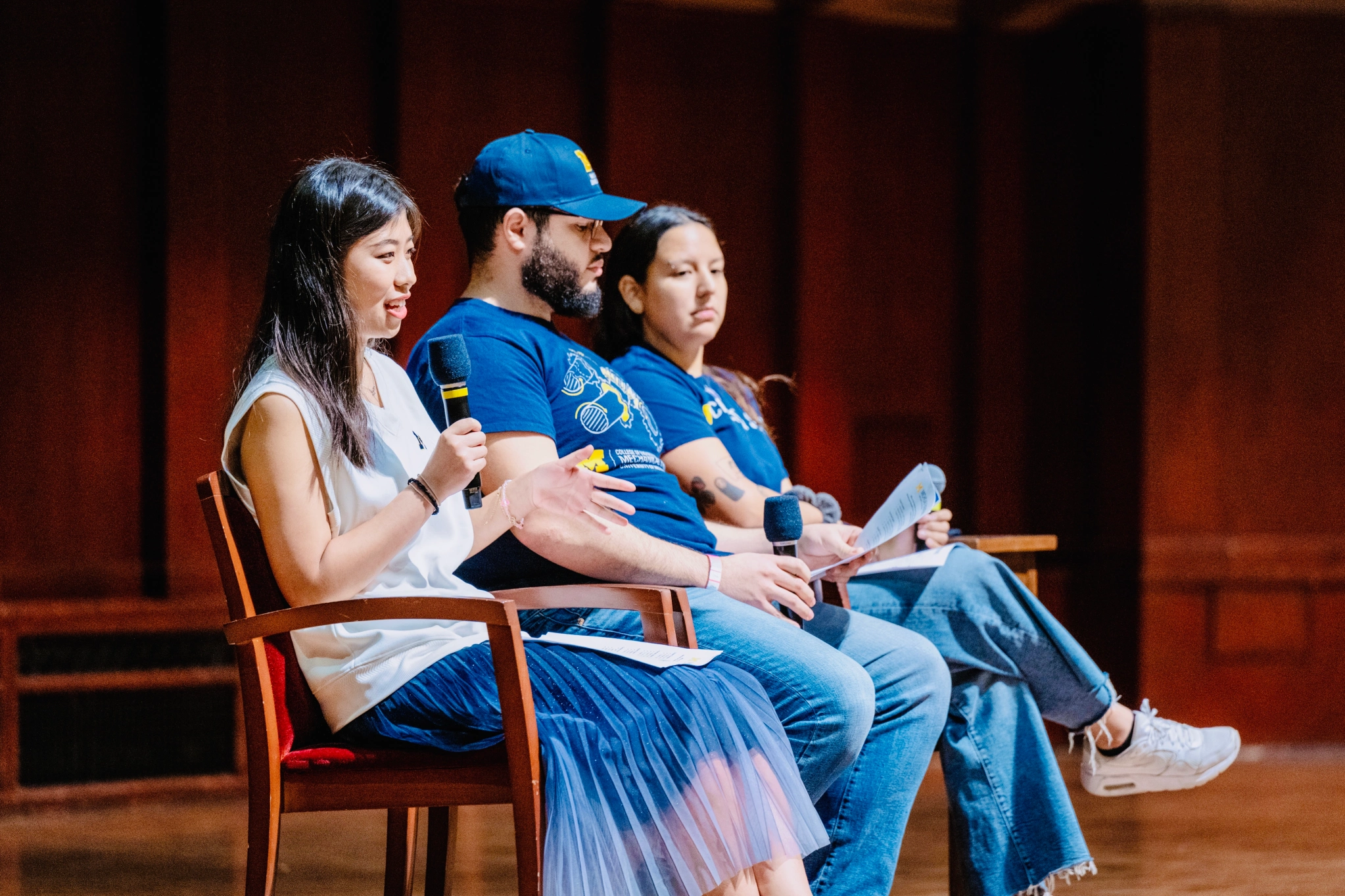
8/23/23 University of Michigan College of Engineering Welcome And Orientationn Week at Hill Auditorium.

8/23/23 University of Michigan College of Engineering Welcome And Orientationn Week at Hill Auditorium.

Invited student speaker at Michigan Engineering Graduate Orientation at the University of Michigan, August 2023


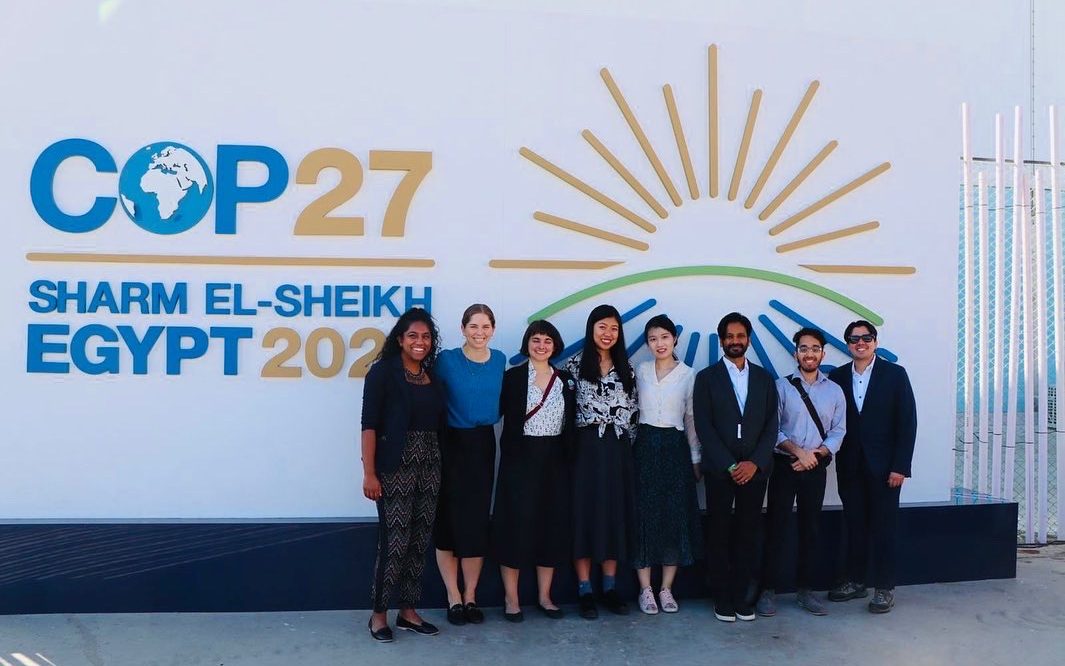
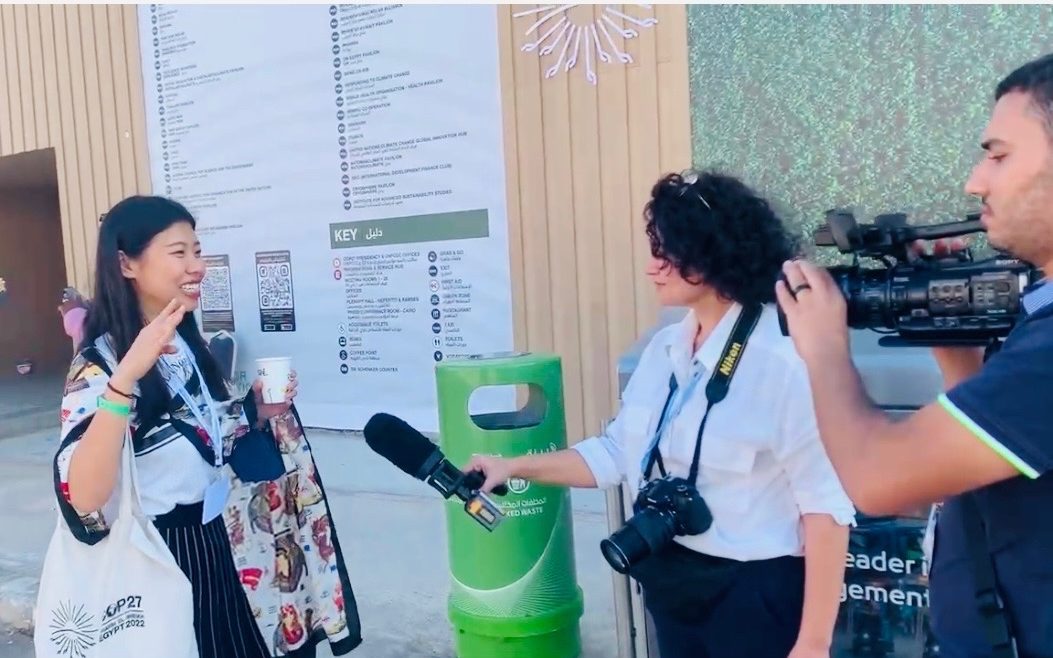
United Nations Conference for CLimate Change (COP27)

United Nations Conference for CLimate Change (COP27)

I was selcted as a student delegate to represent the University of Michigan at the 27th United Nations Framework Convention on Climate Change (UNFCCC) Conference of Parties (COP 27) in 2022, Sharm El-Sheikh, Egypt


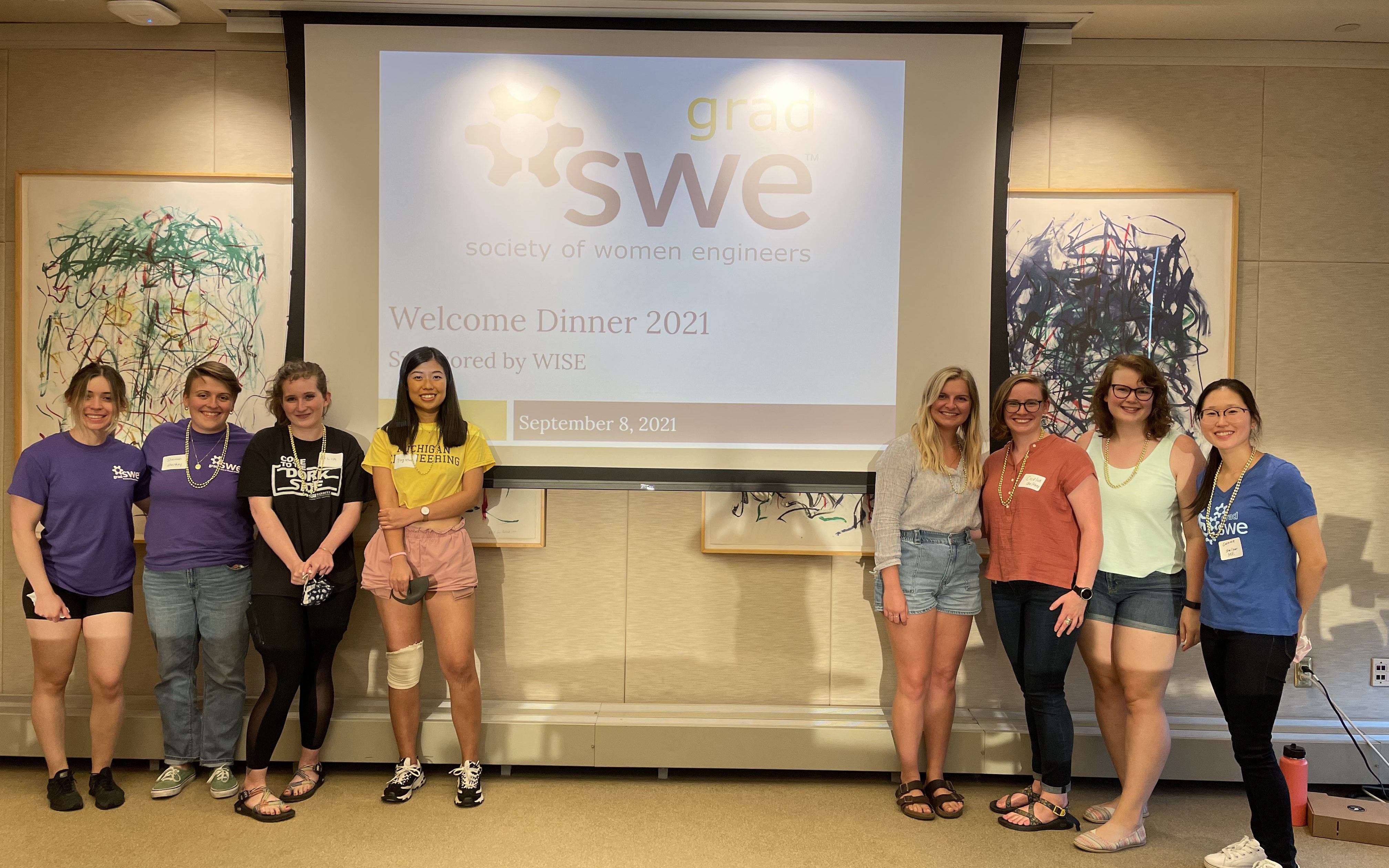
I joined the Graduate Society of Women Engineers (GradSWE) since 2021. We plan events to support female graduate students at the University of Michigan and provide networking opportunities for students with faculty members and alumni.


Presentations

invited

2026 Climate Engineering GRC meeting, Oral

2025 Atmospheric Chemistry GRS meeting, Oral

2025 Karlsruhe Institute of Technology, Institute of Meteorology and Climate Research, Oral

University of Tennessee, Chemistry 610 Env Chem Special Guest Lecture, Oral

University of Michigan, Ann Arbor, Department of Earth and Environment Science, Oral

University of Michigan, Ann Arbor, Civil and Environmental Engineering, Oral

National Center for Atmospheric Research (NCAR) Atmospheric Chemistry Observations & Modeling (ACOM) Lab, Oral

University of Michigan, Ann Arbor, School for Environment and Sustainability, Oral

Selected Conference Presentations

2025 Atmospheric Chemistry GRC meeting, Poster

2025 EGU Meeting, Poster

2024 AGU Fall Meeting, Oral

2023 AGU Fall Meeting, Poster

2023 21st International Conference on Nucleation and Atmospheric Aerosols, Poster and Oral

2023 EGU Meeting, Oral

2023 4th thunderstorm & pollen workshop, Oral

2022 AGU Fall Meeting, Poster

2022 PNNL Post Graduate Research Symposium, Oral

2021 AGU Fall Meeting, Poster

CV

Download CV here.

  • 2024-ASP Postdoc, NSF National Center for Atmospheric Research, Boulder, CO
  • 2019-2024 PhD student, Climate Sciences, University of Michigan, Ann Arbor, MI
  • 2015-2019 Bachelor of Science in Atmospheric Science, Nanjing University, China
-->